
Skate-Ready: How to Dress for the Ice
Equipment is a very important component of success in skating for all levels, especially as your skater begins their journey in figure skating or other ice sports.
Please read the following information carefully to ensure your skater has the appropriate equipment for their level of skating.
-
✔ ICE SKATES (figure skates or hockey skates)
✔ CSA APPROVED HOCKEY HELMET
✔ WATERPROOF MITTENS OR GLOVES
✔ WATERPROOF PANTS OR SNOWPANTS
✔ WARM LAYERS THAT ARE EASY TO MOVE IN
✖ PLASTIC SKATES OR ADJUSTABLE SKATES
✖ BIKE OR SKI OR SKATEBOARDING HELMETS
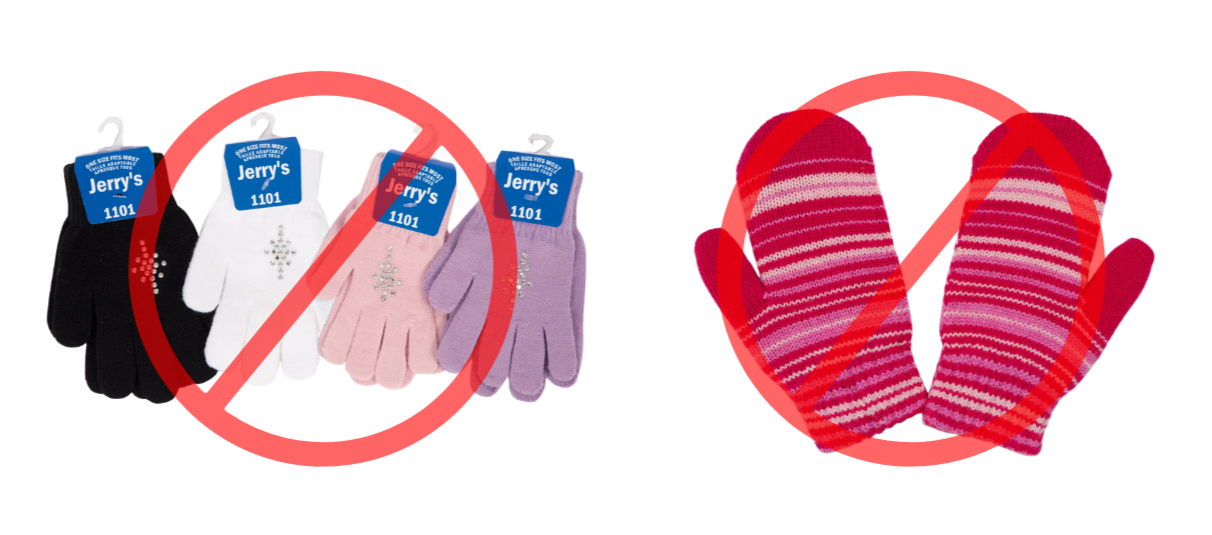
✖ FABRIC MITTENS OR GLOVES
✖ BULKY RESTRICTING SNOWSUITS
CanSkate Equipment & Clothing Guide
What Type of Skates Should I Purchase?
It is strongly recommended that skaters wear proper figure skates or hockey skates for CanSkate classes. Recreational skates are strongly discouraged. Proper-fitting and level-appropriate skates are very important for the progression, success, and safety of your skater.
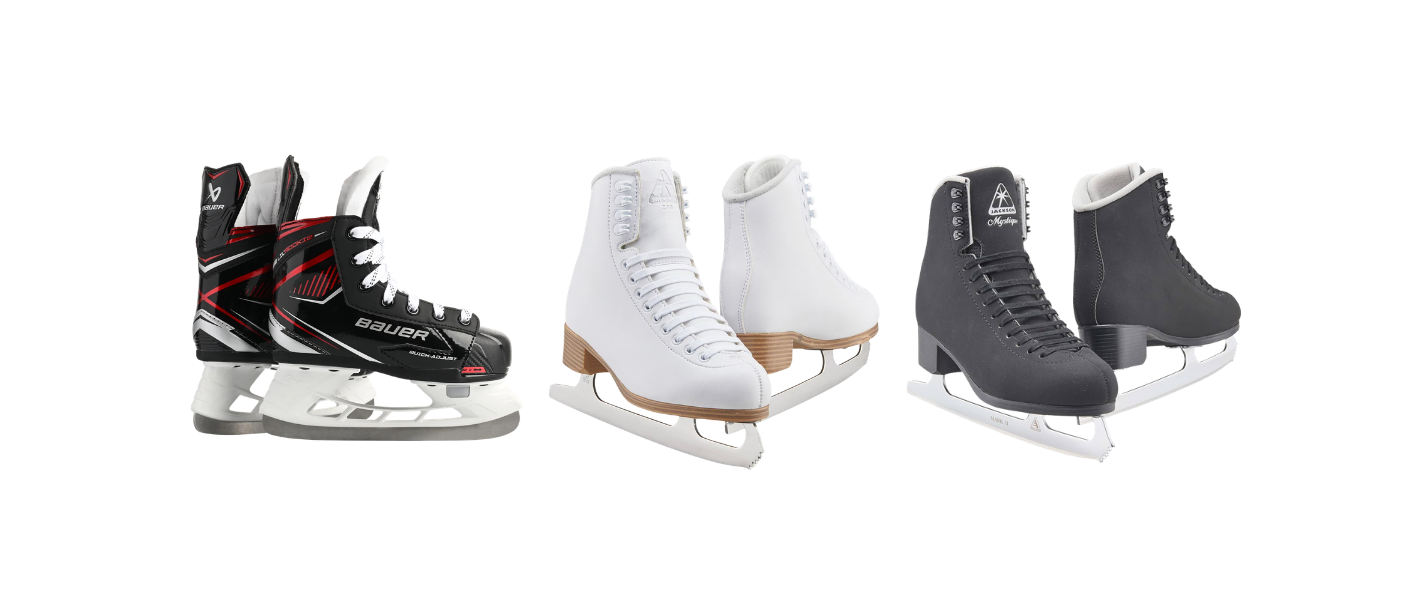
Either figure skates or hockey skates are suitable for CanSkate.
Recreational skates (especially plastic skates or any with a removable blade) are strongly discouraged as they do not provide proper support or allow a skater to glide across the ice with ease.
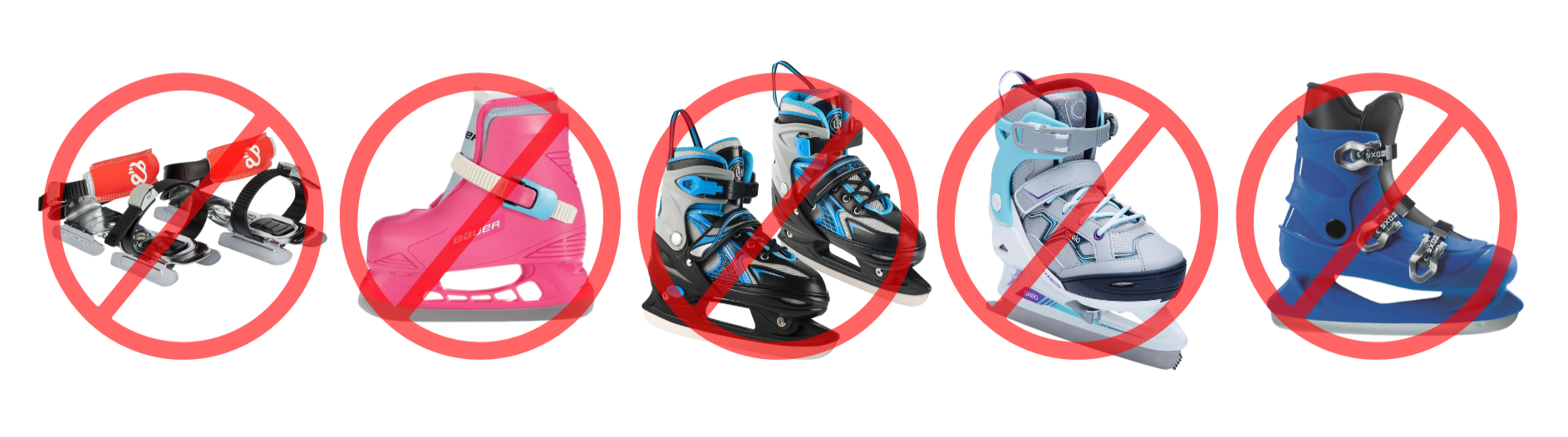
Ice Skate Tips!
For the beginner, skates do not need to be expensive. The key things to look for are:
The right size - a skate that is too big will not give ankle support and can cause injuries. To easily test, have the skater push their toes all the way to the front of the skate. If you can put more than a pencil down the back of their ankle, the skate is too big.
Figure skates should not bend in against the ankle - if the skates are bending when they are first being tried on, they will continue to bend more during practice and will not provide ankle support.
Ankles should not lean in or out when wearing hockey skates - this means the skates are too big or the ankles are not strong enough to hold themselves up yet. If the skates are the proper size and the ankles are still falling in or out, we recommend figure skates (which provide more padding to support the ankles).
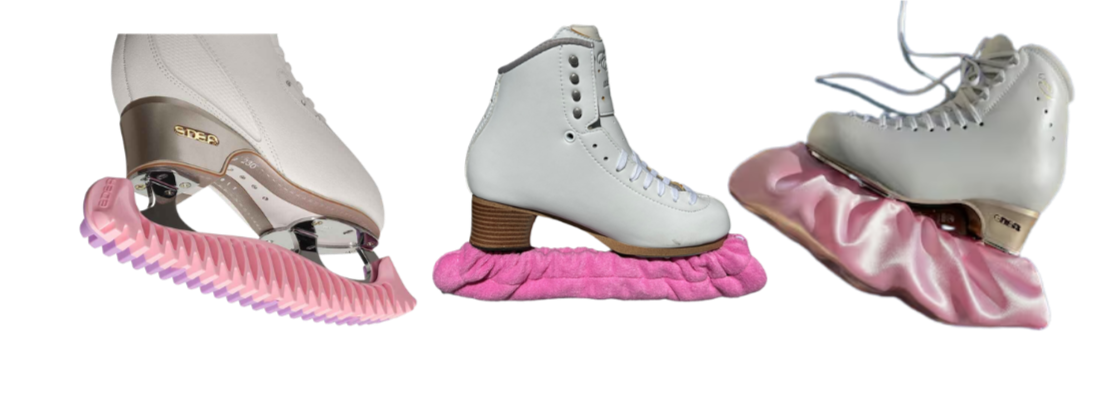
Proper maintenance - Blades should be dried after practice and stored in a soft guard. When walking around the arena, hard guards should be used to protect the blade. Laces should be free of breakage and long enough to tie in a double bow and tuck in. Blades will need to be sharpened periodically (if they are figure skates, DO NOT HAVE THE BOTTOM TOEPICK REMOVED).
What Type of Helmet Should I Purchase?
All skaters in our CanSkate program MUST wear a CSA-approved helmet at all times. Look for the CSA-approved sticker on the helmet.
Hockey helmets with optional cages/bubbles are suitable for CanSkate.
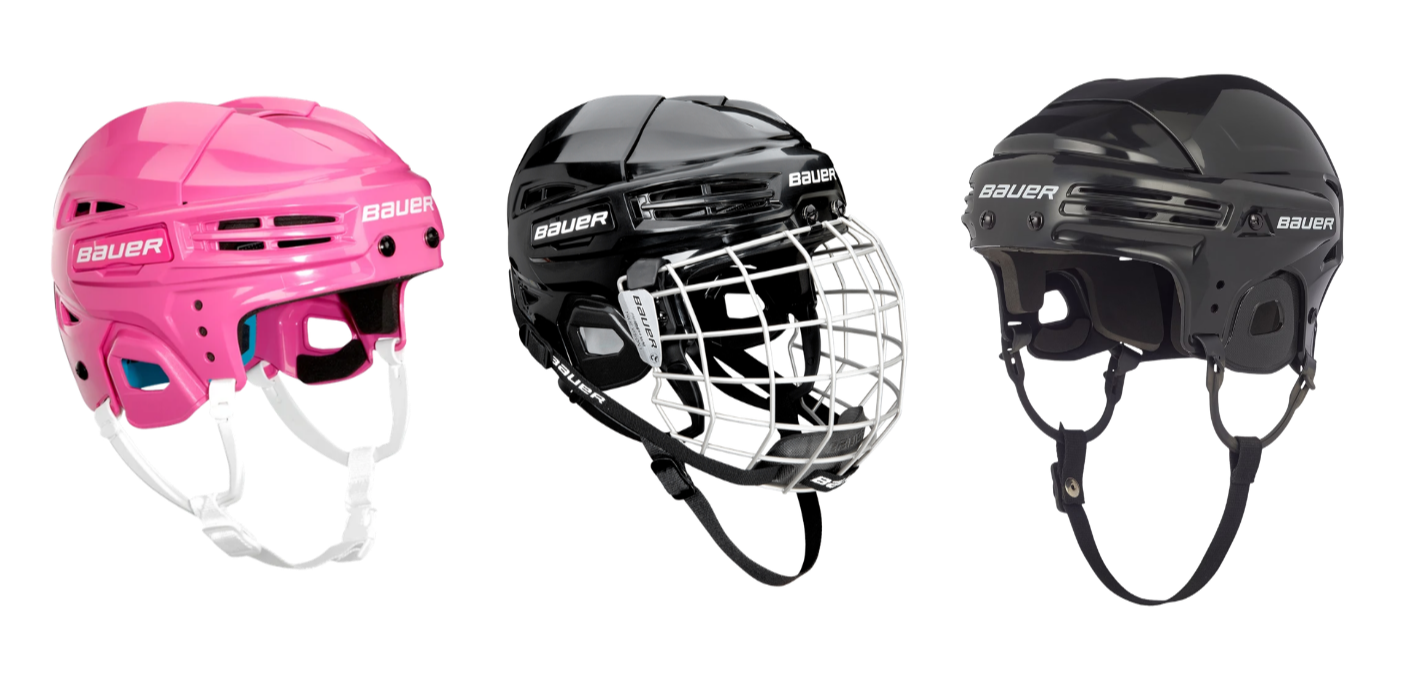
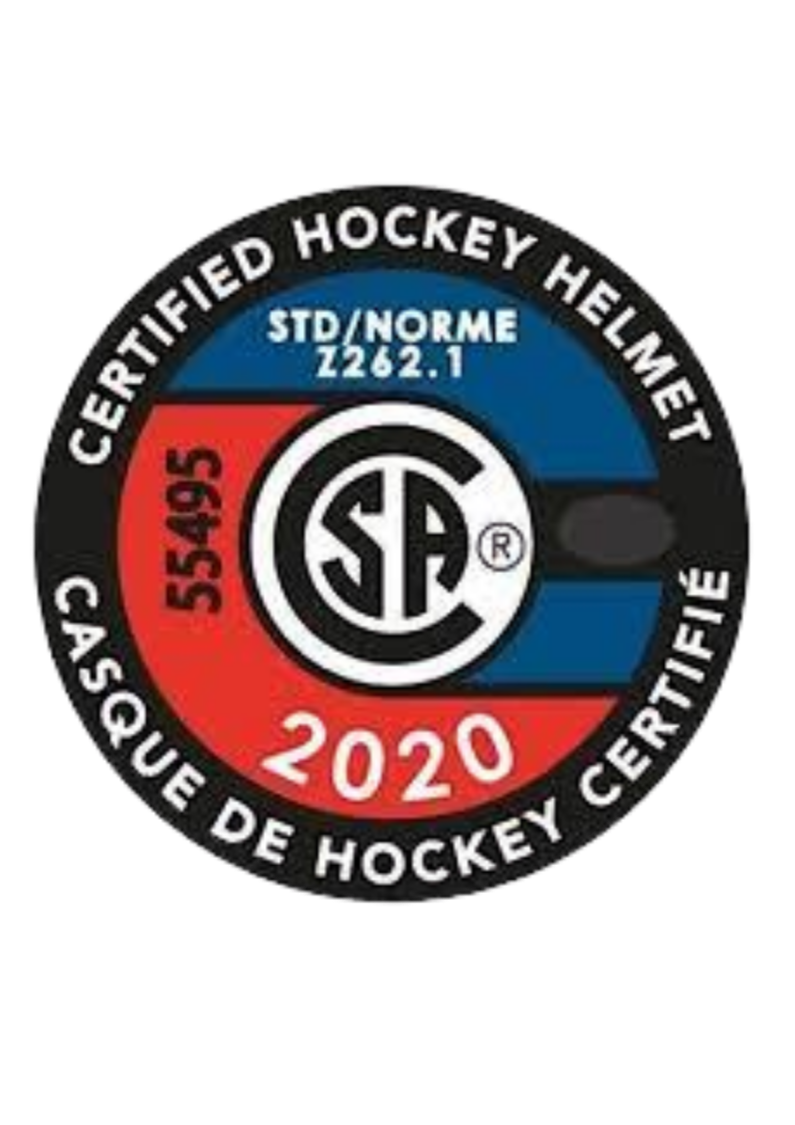
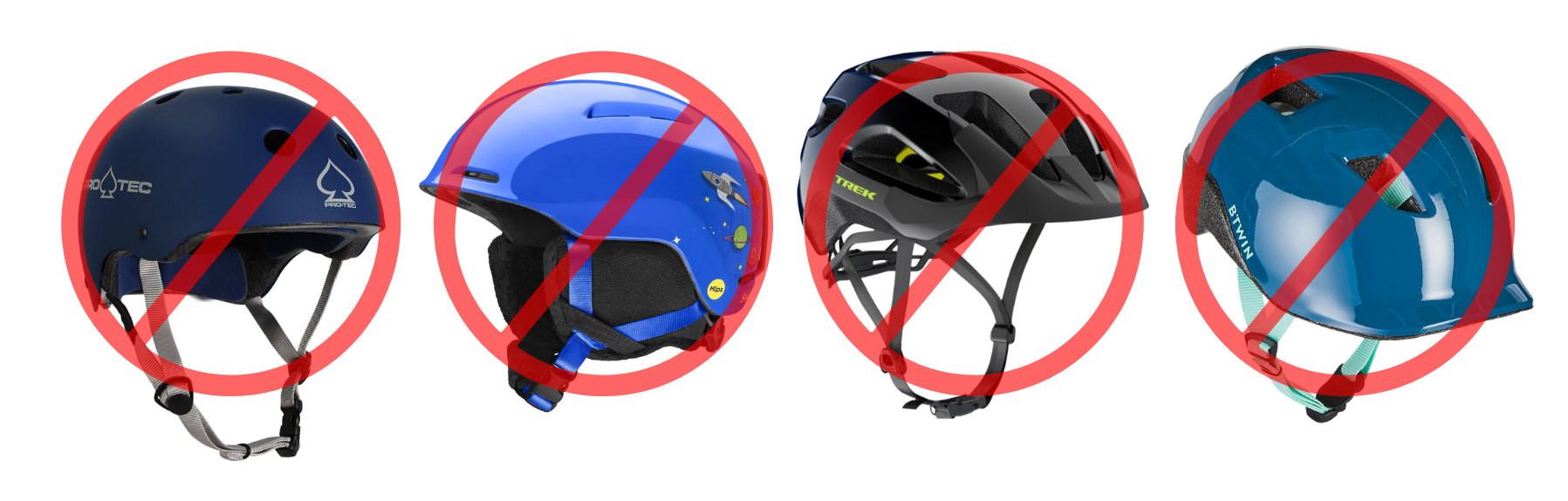
Cycling, Ski/Snowboarding, and Skateboarding helmets are not permitted.
What Should my Skater Wear?
Skaters should wear warm, comfortable clothing with waterproof pants on top as they learn. Please have your child wear gloves. However, do not overdress skaters; once they are moving around, they become quite warm. Remember, the more clothing, the less mobility a skater has. As a skater progresses, they might want to wear a skating outfit: skating dresses or skirts or skating pants in a stretchy material.
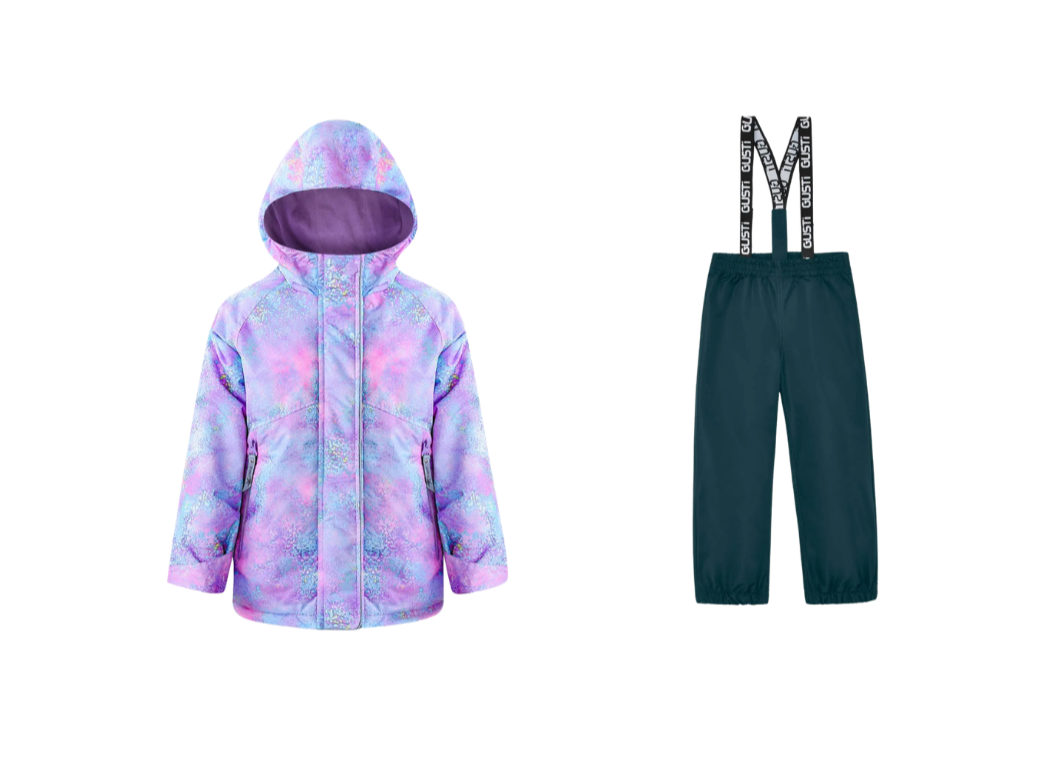
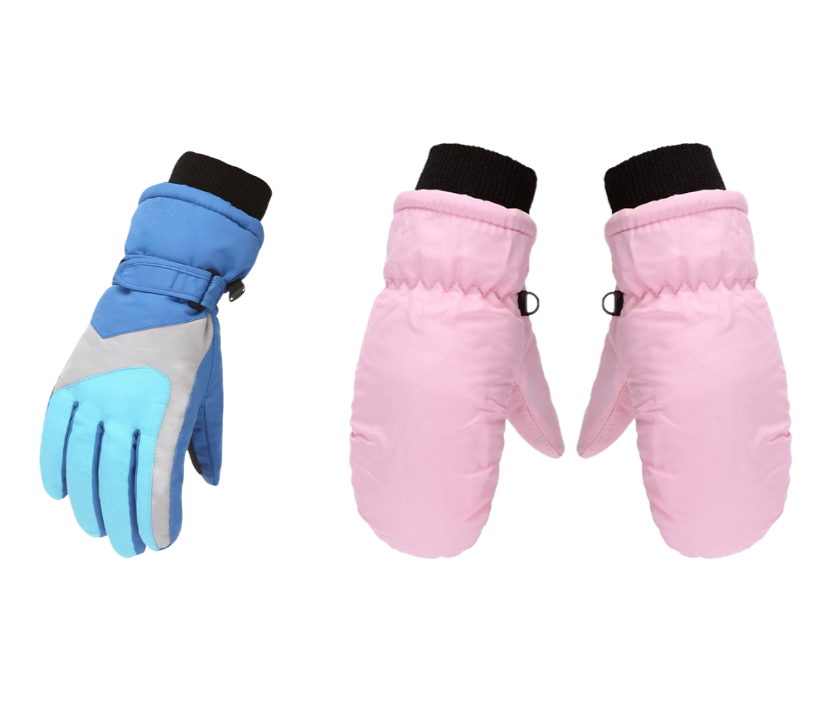
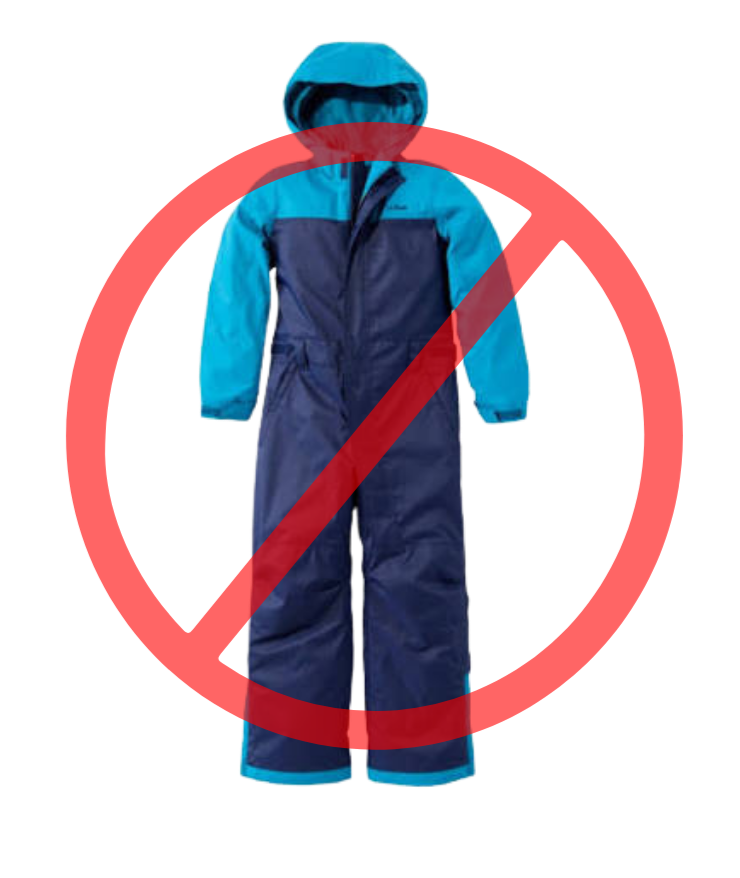
We strongly discourage thin fabric gloves, as they get wet and dont keep their hands warm and do not provide much protection. For extra warmth a small pair of gloves similar to the one below could be warn underneath a waterproof pair of mittens. We also discourage heavy snowsuits as it limits movement and will be harder to remove a layer.
Watch this video if you still are unsure, or feel free to contact us with any questions!
Gliders & StarSkate Equipment & Clothing Guide
-
✔ FIGURE SKATES (must have toepicks)
✔ CSA APPROVED HOCKEY HELMET (only for gliders program)
✔ SMALL PAIR OF GLOVES WITH MITTENS OVER TOP
✔ LAYERED ATHLETIC CLOTHING (figure skating tights can be purchased through the club)
✔ LONG HAIR TIED BACK
✔ WATER BOTTLE, KLEENEX, HARD/SOFT SKATE GUARDS, SKATE BLADE TOWEL, SKIPPING ROPE, RUNNING SHOES, EXTRA GLOVES/TIGHTS/LACES (optional but recommended)
✖ HOCKEY SKATES
✖ BIKE OR SKI OR SKATEBOARDING HELMETS (only for gliders program)
✖ HOODIES OR BULKY CLOTHING OR JEANS
✖ BULKY WINTER JACKETS OR PANTS
What Type of Skates Should I Purchase?
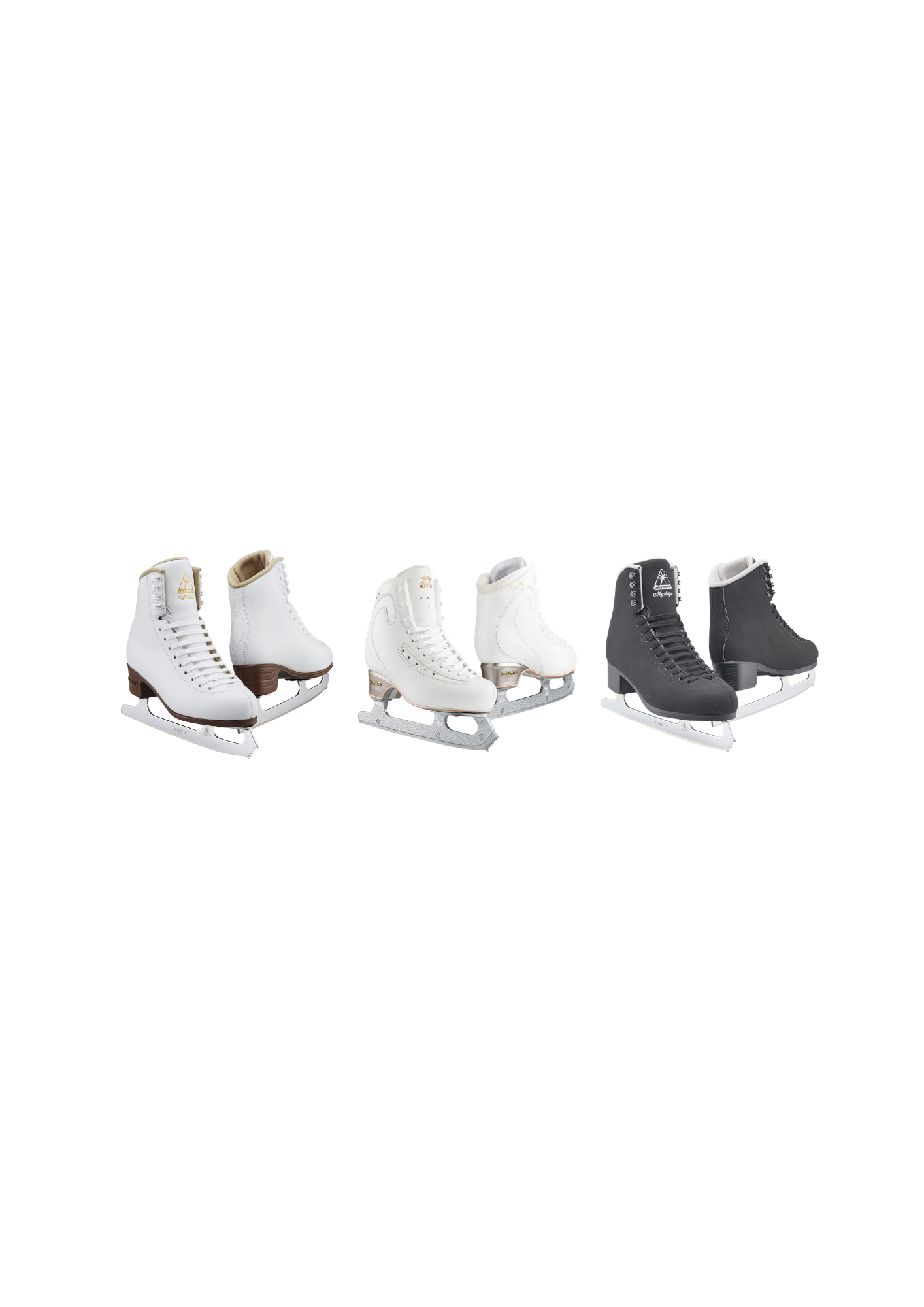
It is strongly recommended that skaters wear proper figure skates when transitioning into our gliders classes and continuing into StarSkate. Recreational skates and hockey skates are not allowed. Proper-fitting and level-appropriate skates are very important for the progression, success, and safety of your skater.
Ice Skate Tips & Maintenance!
Figure Skates are the most important piece of equipment; skates are a large investment in a skater’s career and require continual care to keep the skater safe and performing their best.
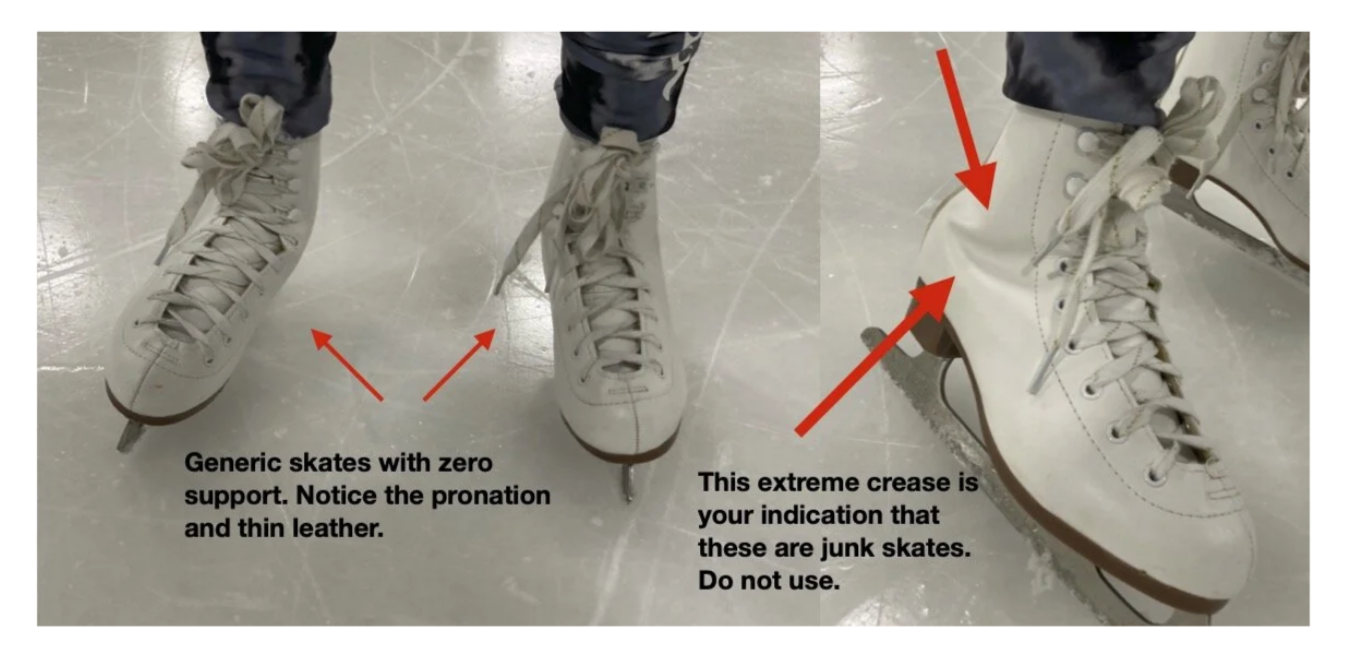
The right size - a skate that is too big will not give ankle support and can cause injuries. To easily test, have the skater push their toes all the way to the front of the skate. If you can put more than a pencil down the back of their ankle, the skate is too big.
Figure skates should not bend in against the ankle - if the skates are bending when they are first being tried on, they will continue to bend more during practice and will not provide ankle support.
Buying second hand? - ensure the toe-picks are intact and the leather still provides firm ankle support
Sharpening - skates should be sharpened every 20-25 hours of ice time or upon any damage to the blade (ie., stepping on a rock or concrete floor). Skates must be sharpened by a trained professional who specializes in figure skates. Improper sharpening can remove or alter the toe picks and rocker profile, permanently affecting the blade's performance and potentially making the skates unsafe or unusable.
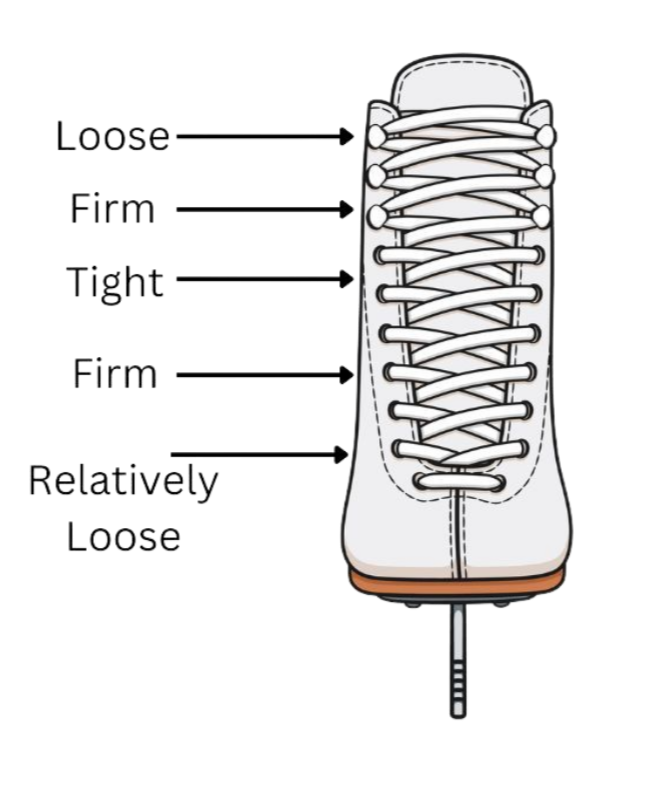
Laces - if your laces are looking frayed or ready to break, replace them! Always keep a spare pair in your skate bag in case of emergencies.
Skate guards - hard guards are for walking around when not on the ice, and soft guards are for storage. Blades always need protection!
Drying skates - after each session, skates must be dried off with a towel to prevent rust. This is also a good time to check the screws to ensure they are still tight!
What Type of Helmet Should I Purchase?
All skaters in our Gliders program MUST wear a CSA-approved helmet at all times. Look for the CSA-approved sticker on the helmet. *ONLY APPLICABLE FOR GLIDERS PROGRAM
Hockey helmets with optional cages/bubbles are suitable for Gliders.
Cycling, Ski/Snowboarding, and Skateboarding helmets are not permitted.
Please feel free to contact us if you have any questions!